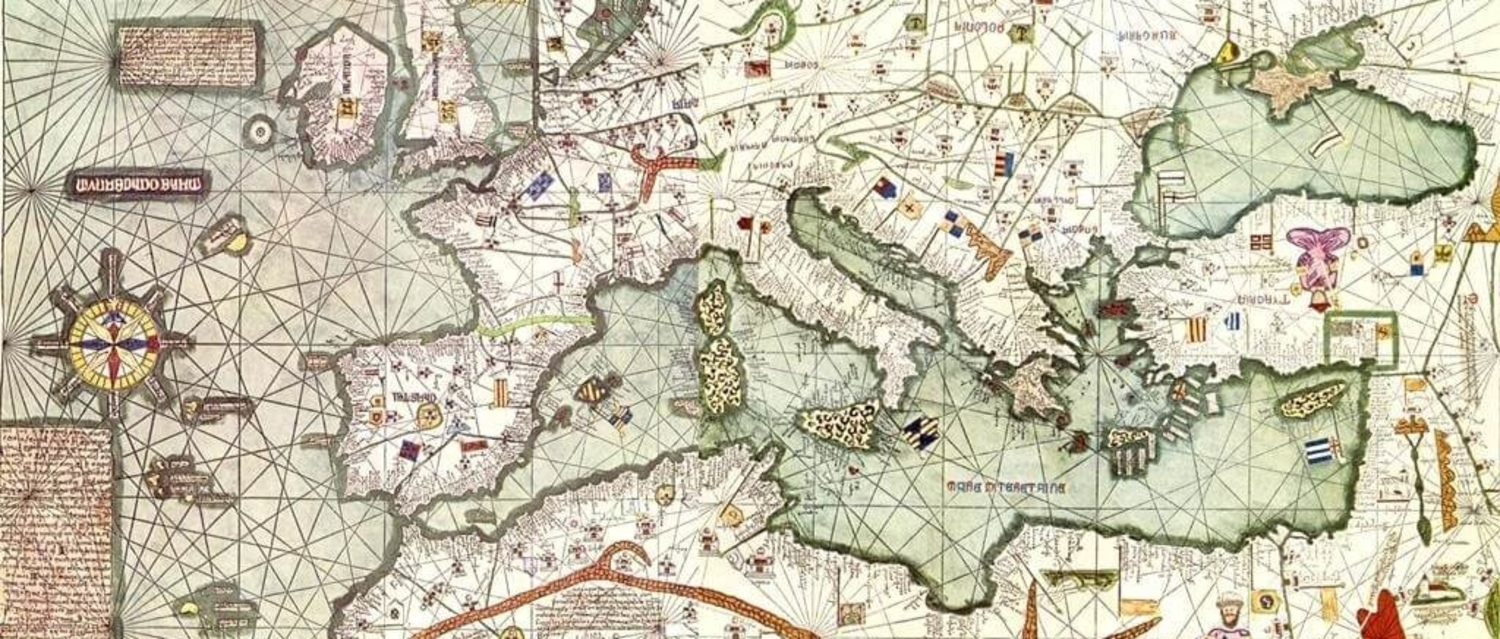
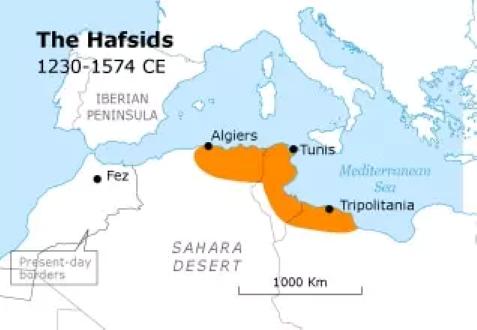
The Hafsid Empire was a region of Ifriqiya (approximately bound modern day Tunisia, western Libya, and eastern Algeria) ruled by a Sunni Muslim dynasty of Amazigh (Berber) descent from 1229 to 1574.
Those trained or working in the field that studies the chronological record of events, such as affecting a nation, community, individual, object, or place, based on a critical examination of source materials.
Holamis was an enslaved person who was active in the eastern Mediterranean during the middle of the fourteenth century. He was manumitted in Rhodes during the spring of 1366.
This was a house in which various member of the Credenza family lived. The home was in the neighbourhood (contrada) of Picapetris but its exact location is still to be determined.
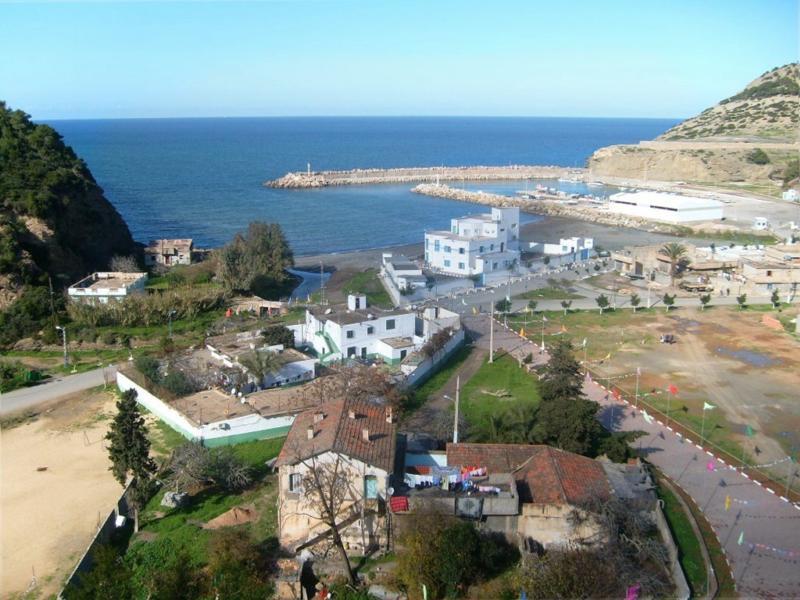
Honaine is a port city in north Algeria that was a vassal of the Hafsid Dynasty in the late medieval and early modern period until the Kingdom of Aragon took control of the city at the end of the fifteenth century.
The Hytuk Principality was one of the most significant feudal powers in the Circassian lands during the late medieval and early modern period. Its capital city was Matrega, which functioned as the main port, trade, and ecclesiastical center for the principality and hosted the Archbishop of the Circassians.
Iacob de Licustoni was an enslaved Vlach man from Licostomo who was active in the eastern Mediterranean during the middle of the fourteenth century. He was manumitted in Rhodes during the summer of 1381.
Ianos Changari was a slaveholder who was active in the eastern Mediterranean during the middle of the fourteenth century. He had an enslaved son named Nikolaos de Tyna.