Refers to those who hold a particular office, post, or place of authority in a hierarchical organization, including civil, governmental, or private administrative contexts. For those holding positions of authority or command in the armed forces, use "military officers."
The Officium mercantie was an eight-member committee of the republic of Genoa, elected annually, that dealt with disputes and issues related to merchants and commerce. The usual societal divisions apply: four nobiles, two mercantes, two artefices.
The Officium monete consisted of eight members holding office for a year at a time. They were responsible for managing the finances of the commune. They were chosen by the men who held the office on the previous year. The usual societal divisions apply: four nobiles, two mercantes, two artefices.
The Officium monete consisted of eight members holding office for a year at a time. They were responsible for managing the finances of the commune. They were chosen by the men who held the office on the previous year. The usual societal divisions apply: four nobiles, two mercantes, two artefices.
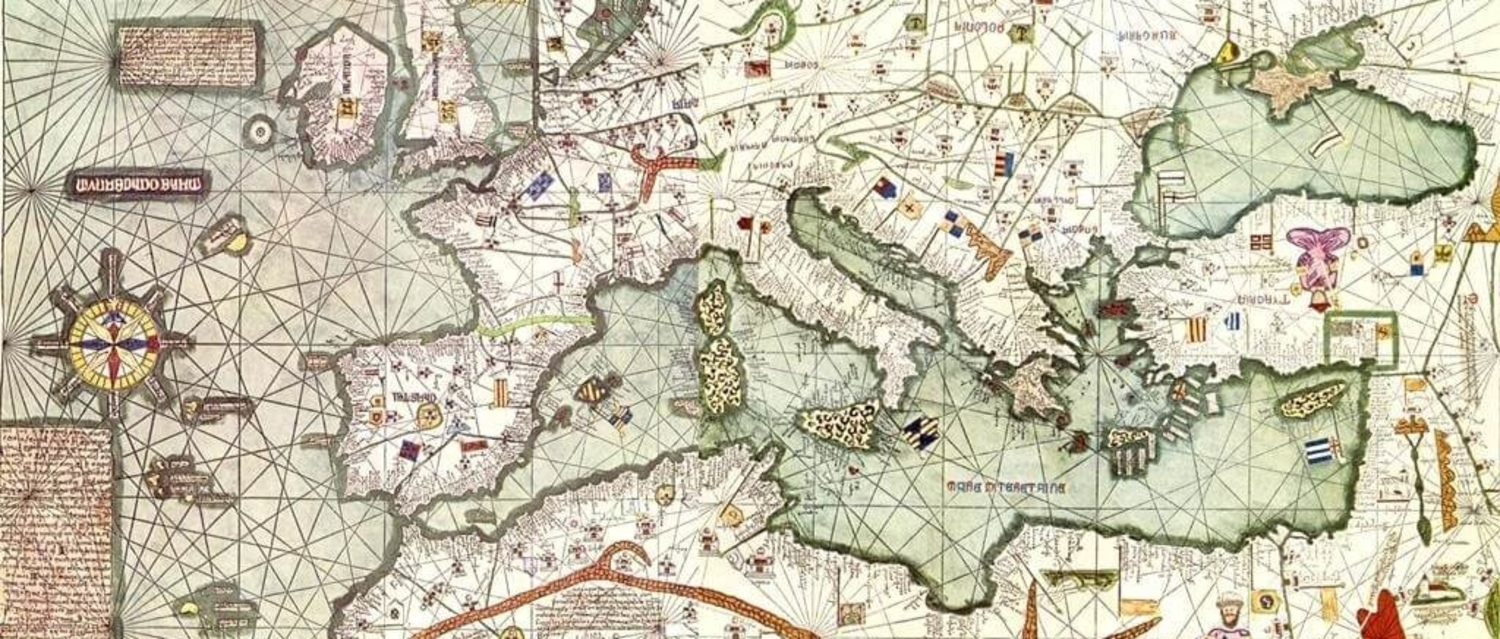
The Officium provisionis Romanie was an institution charged with administrating the Genoese commercial colonies in the Black Sea region during the fourteenth and fifteenth centuries.
The Officium provisionis Romanie was tasked with the colonial administration of the eastern Mediterranean and the Black Sea (the region then collectively referred to as "Romania"). It managed the appointment and salaries of colonial officials, including podestà, consuls, treasurers (massarii) and fortress commanders (castellani). It was also responsible for ensuring that ships, food, and military equipment (provisions) reached the eastern Mediterranean colonies.
The Officium sindicatorum consisted of four members holding office for a year at a time. They were responsible for adjudicating on legal matters related to the commune. The usual societal divisions apply: two persons from the nobiles, one person from the mercantes, one person from the artefices artefices.
Oldrado de Lampugnano was the governor of Genoa (from approximately 1430 to 1434) and a prominent figure at the court of the Visconti and later of the Sforza.